

Views: 0 Author: Site Editor Publish Time: 2026-05-28 Origin: Site


Aerospace and defense (A&D) manufacturing operates in a high-stakes reality. Narrow profit margins on exotic materials collide with a strict zero-tolerance policy for component failure. You must meet rigorous military specifications every single day. Operating in this sector means there is absolutely no room for error. Selecting equipment is no longer just about raw processing speed. Procurement and engineering teams face a much more complex challenge today. You must meticulously mitigate thermal distortion and minimize scrap on astronomically expensive alloys. Furthermore, you need to guarantee repeatable, audit-proof compliance across every batch.
We will explore how modern cutting technologies stack up against strict A&D production demands. You will discover an actionable buyer’s evaluation framework to guide your purchasing decisions. Upgrading your facility requires a deep understanding of material behavior under intense stress. This article bridges the gap between raw machine specifications and actual shop floor reality, contrasting specific cutting technologies to help you achieve flawless manufacturing outcomes.
Material Dictates Technology: The choice between laser and waterjet depends heavily on the thermal sensitivity and thickness of the substrate (e.g., Titanium vs. Kevlar).
Scrap Reduction equals ROI: Advanced vision systems and micromachining capabilities on modern cutting machines drastically reduce waste on high-cost alloys like Inconel® and Nitinol.
Compliance is Built-In: The right equipment natively supports traceability (e.g., MIL-STD-130) and zero-FOD (Foreign Object Debris) manufacturing standards.
Implementation Reality: Evaluating a cutting machine in aerospace and defense requires factoring in footprint, operator training, and consumable costs alongside raw cutting metrics.
Heat Affected Zones (HAZ) pose a disastrous risk to structural aerospace components. When you expose sensitive metals to excessive heat, their microstructures alter permanently. Traditional mechanical cutting often introduces unacceptable micro-fractures. It also causes warping in thin-gauge aerospace metallics. These defects compromise the structural integrity of the final part. An advanced Cutting Machine utilizes highly concentrated energy or cold-cutting methods to bypass these thermal risks entirely. Minimizing the HAZ ensures parts pass strict fatigue and stress testing without requiring extensive secondary machining.
Aerospace manufacturing relies heavily on expensive, hard-to-machine superalloys. Materials like Rene 41 and Nickel alloy 625 or 718 represent a massive capital investment. When processing these substrates, material yield dictates your profit margins. Kerf width—the amount of material removed during the cut—directly impacts nesting efficiency. A narrower kerf allows you to pack more parts into a single sheet. This high-density nesting reduces scrap rates drastically. Wasting even a small percentage of Inconel® eats directly into your bottom line. Specialized machines optimize nesting layouts to stretch your material budget further.
Modern equipment delivers an incredible return on investment by consolidating multiple operations. You can combine cutting, perforating, and traceability marking into a single setup. Reducing the number of times an operator handles a part minimizes machine-to-machine transfer risks. Every time a component moves across the shop floor, it faces potential contamination or dropping hazards. Single-setup processing accelerates cycle times while protecting high-value components from accidental damage.
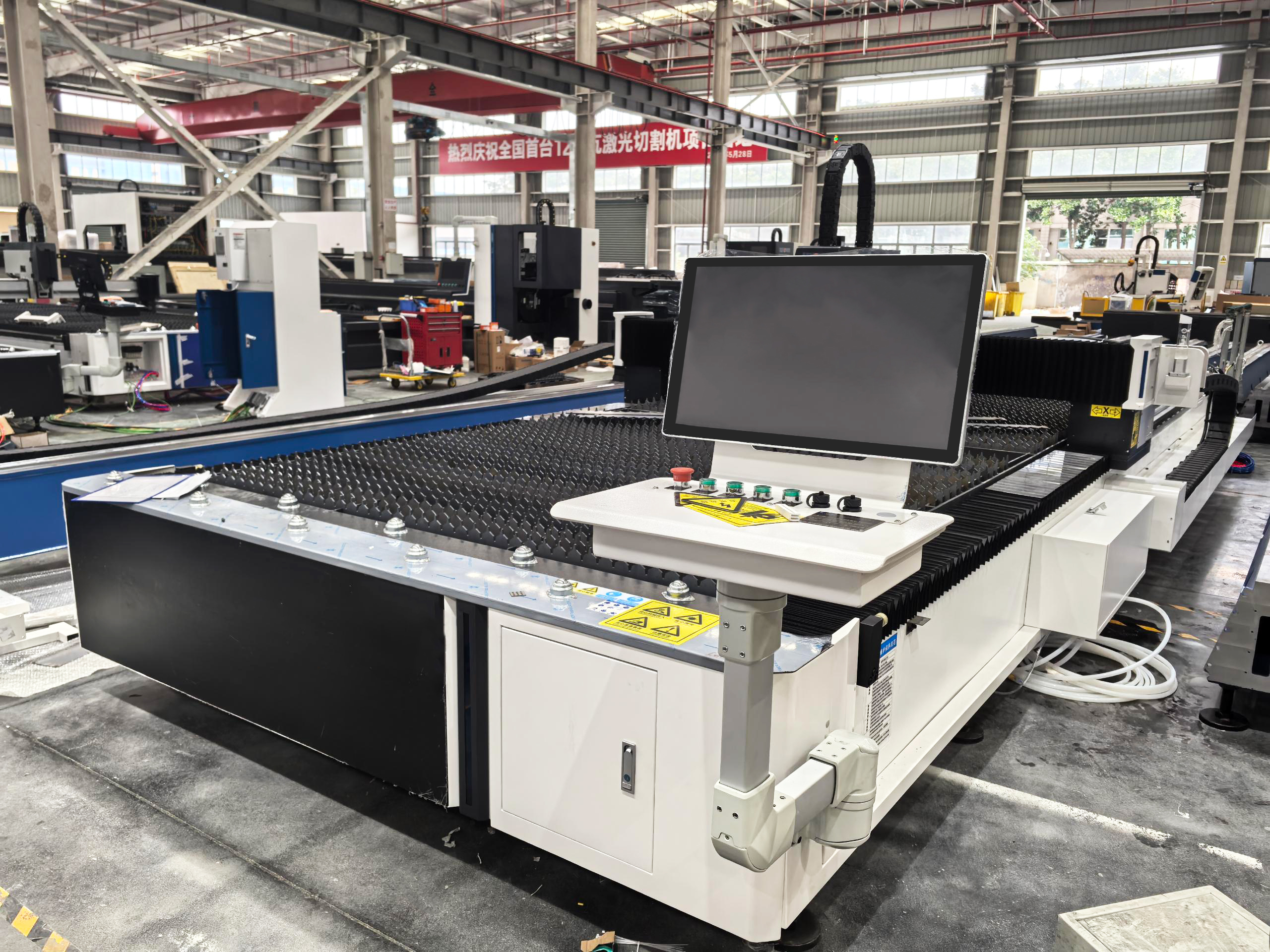
Selecting the right technology requires objectively aligning machine capabilities with specific A&D outcomes. We use a polar contrast method to highlight where each technology excels.
Fiber lasers dominate when you need extreme speed and micro-level precision. They process thin-to-medium sheet metals with exceptional reliability. They are especially effective on high-reflectivity alloys like aluminum and titanium. Aerospace engineers frequently rely on 5-axis tube laser cutting for complex 3D profiles.
You should evaluate these systems based on their ability to hold micro-level tolerances down to 0.1mm. They must produce an extremely narrow HAZ. Furthermore, direct diode lasers excel specifically at edge quality when slicing through superalloys. They provide high-speed prototyping capabilities that keep product development cycles short.
Abrasive waterjets represent the ultimate cold-cutting solution. They introduce zero thermal distortion to the substrate. This makes them the best choice for heat-sensitive composites like Carbon Fiber Reinforced Polymers (CFRP). They easily slice through ballistic glass, military-grade textiles like Kevlar, and ultra-thick materials. Waterjets can penetrate up to 18-inch armor plating without breaking a sweat.
Evaluate waterjet systems on their ability to retain the baseline material temper. Because the process generates no heat, edges never melt or harden. You can also stack-cut multiple sheets of material simultaneously, dramatically increasing throughput for defense contractors.
Modern manufacturing demands dynamic path compensation. Integrated machine vision systems address this emerging requirement brilliantly. High-resolution cameras monitor material placement in real time. They scan the sheet and adjust the cutting head automatically to prevent misalignment. If a costly sheet of titanium sits slightly off-axis, the machine adapts its toolpath instantly. This capability drastically reduces scrap rates caused by human loading errors.
Technology Type | Best Suited For | Key A&D Advantage | Limitations |
|---|---|---|---|
Fiber Laser | Thin/medium metals, Aluminum, Titanium | Extreme speed, 0.1mm tolerances, narrow HAZ | Struggles with ultra-thick armor plates |
Direct Diode Laser | Superalloys (Inconel®, Nitinol) | Superior edge quality, high nesting efficiency | Higher initial setup complexity |
Abrasive Waterjet | CFRP, Kevlar, Ballistic Glass, Thick Armor | Zero thermal distortion, cold-cutting | Slower processing speeds than lasers |
Implementing a Cutting Machine in Aerospace and Defense environments requires a deep understanding of specific end-use applications. Equipment must adapt to distinct structural and fluid dynamic requirements.
Airframes, Stringers, and Structural Components:
Aircraft rely on lightweight, highly robust frameworks to maintain flight integrity. Processing these structural elements requires absolute precision. Machines must deliver clean, burr-free edges consistently. Eliminating secondary deburring operations accelerates the production timeline. Flawless edges are mandatory before assembly or precision welding can take place.
Engine Parts and Fluid Tubing Systems:
Jet engines demand incredibly complex geometric profiles. Cutting machines process exhaust systems, intake manifolds, and turbine components from stubborn superalloys. Precision 5-axis tube cutting is equally vital for fluid systems. Fuel lines, hydraulic systems, and air ducts require leak-proof, zero-tolerance mating surfaces. A single microscopic flaw in a hydraulic tube cut can cause catastrophic fluid loss during flight.
Military Vehicles and Ballistic Armor:
Defense contractors manufacture heavy-duty chassis components and weapon mounts under strict deadlines. Modern automated munitions require flexible feed chute assemblies cut to exact specifications. Machines must process high-hardness steel and composite armor panels efficiently. The cutting process cannot compromise the structural integrity or the ballistic hardening treatment of the armor.
Military manufacturing is heavily regulated. You must maintain complete traceability for every component produced. Modern cutting systems integrate seamlessly with MIL-STD-130 requirements. They achieve this via rapid secondary operations. Operators can switch a machine from active cutting to laser etching seamlessly. This allows you to mark permanent serial numbers and barcodes on firearms, flashlights, and engine parts. Built-in marking ensures components remain identifiable throughout their entire lifecycle in harsh combat environments.
The Office of the Under Secretary of Defense (OUSD) mandates stringent protocols for critical technologies. Defense contractors must engage in "trusted manufacturing." Your equipment must feature reliable data-logging and anomaly detection. Machines must monitor their own performance and halt operations if tolerances drift. Furthermore, defense environments require controlled software access. Equipment must prevent unauthorized users from altering critical toolpaths or extracting classified part geometries.
A high-end machine serves multiple functions on the shop floor. Beyond cutting primary components, you can use these machines to produce highly stable assembly line fixtures. Custom tooling ensures parts align perfectly during manual assembly. Additionally, some laser systems can be configured for surface preparation. Laser cleaning effectively removes oxides and contaminants before precision friction stir welding. This guarantees a zero-FOD (Foreign Object Debris) environment, which is paramount in aerospace assembly.
Procurement teams must look beyond theoretical cutting speeds. Evaluating equipment for A&D facilities involves assessing real-world implementation risks and infrastructural demands.
Advanced cutting systems require significant facility preparation. You must carefully assess your environmental footprint before installation.
Heavy-Duty Ventilation: Vaporizing advanced composites and reactive metals generates hazardous fumes. You need robust extraction systems to keep the shop floor safe.
Water Management: Waterjets require specialized water recycling and abrasive filtration systems. Managing abrasive waste safely is a logistical hurdle you must plan for.
Foundation Stability: High-speed linear motors generate immense G-forces. Your facility floor must be thick enough to absorb vibrations, ensuring micro-level tolerances remain stable.
Assist Gas Storage: Laser systems consume large volumes of high-purity assist gases (like Nitrogen). You must allocate safe footprint space for bulk gas storage or onsite generation.
Never rely solely on manufacturer specification sheets. A&D materials behave unpredictably under thermal or kinetic stress. Procurement teams must demand vendor test-cuts on their own proprietary materials. Real-world tolerances often deviate wildly from spec sheets when you deal with multi-layered composites or highly reactive metals. A dedicated proof-of-concept run reveals how the machine handles your specific nesting layouts. It also highlights any unforeseen edge hardening or delamination issues before you sign the purchase order.
Selecting the optimal equipment for your aerospace and defense facility requires a methodical, risk-aware approach. The best cutting machine is rarely the one with the fastest theoretical top speed. Instead, the right choice predictably mitigates thermal risk, preserves expensive material integrity, and ensures audit-proof compliance. Laser systems dominate high-speed precision tasks on thin metals, while abrasive waterjets conquer thick armor and heat-sensitive composites. Integrating machine vision and traceability marking directly into your workflow protects your profit margins.
Your definitive next step is to audit your current shop floor performance. Identify the most problematic, high-value alloy currently suffering from high scrap rates. Calculate your exact material loss. Then, engage top-tier vendors for a dedicated proof-of-concept run using that specific problematic substrate. Seeing real-world results on your own materials is the only way to validate an aerospace-grade machinery investment.
A: Abrasive CNC waterjets are the absolute best choice for strict zero-HAZ (Heat Affected Zone) requirements. They use a cold-cutting process that prevents material warping. For thin-gauge metals, highly controlled fiber lasers using specific high-purity assist gases can also minimize thermal distortion effectively.
A: Yes, but with caveats. Waterjets are highly versatile and safely cut both metals and composites without issue. Lasers, however, require specific configurations and robust fume extraction for non-metals to avoid combustion or toxic gas release.
A: Lasers face strict thickness limitations and can introduce heat that ruins ballistic tempers. Waterjets easily cold-cut multi-inch ballistic steel and layered composites without compromising the manufacturer's original hardening treatment.
A: Strict defense environments require frequent, documented calibration schedules to maintain MIL-SPEC tolerances. Maintenance teams must carefully manage abrasive waste for waterjets and maintain pristine optical cleanliness for lasers to ensure continuous, repeatable compliance.


