

Views: 0 Author: Site Editor Publish Time: 2026-02-04 Origin: Site


Looking to invest in a CNC lathe? Have you ever wondered how much one costs? The price of CNC metal lathes can vary widely depending on features, complexity, and brand. In this article, we’ll explore the various factors influencing the cost of CNC lathes, from entry-level models to high-end machines. You’ll learn how to choose the right CNC lathe for your needs and what to expect in terms of pricing.
Entry-level CNC lathes are perfect for hobbyists, small workshops, and educational centers. They provide a budget-friendly option for those just getting started with CNC machining. These machines often come with basic functionality, which is ideal for light tasks such as small part production or low-precision operations.
Primacon’s entry-level CNC lathes offer a practical solution with manual or semi-automatic control, making them beginner-friendly. They are best suited for soft metals like aluminum and plastics, which don't require high cutting speeds or extreme precision.
Key Features:
● Manual or semi-automatic control systems
● Ideal for soft metals and plastics
● Lower cutting power and spindle speed compared to mid-range and high-end models
Applications:
● Small part production
● Low-precision tasks
● DIY projects and educational use
Feature | Entry-Level CNC Lathes |
Price Range | $1,000 - $20,000 |
Target Customers | Hobbyists, Home Workshops, Educational Centers |
Key Materials | Soft Metals, Plastics |
Precision and Speed | Low Precision, Slow Speed |
For small to medium-sized businesses that need more precision and higher production rates, mid-range CNC lathes are the go-to option. These lathes offer higher accuracy, faster spindle speeds, and the ability to handle tougher materials like steel, titanium, and other high-grade alloys.
Primacon’s mid-range models come with added automation features, including fast tool changing and some level of robotic integration. These enhancements help businesses increase their efficiency while keeping costs lower than high-end options. These machines are designed to handle daily production and small-to-medium batch manufacturing.
Key Features:
● Higher spindle speeds and better accuracy than entry-level machines
● Advanced automation options, including tool changers
● Can handle tougher materials like steel, stainless steel, and titanium
Applications:
● Daily production of medium-range parts
● Small-to-medium batch manufacturing
● Businesses needing a balance of cost, power, and performance
Feature | Mid-Range CNC Lathes |
Price Range | $20,000 - $80,000 |
Target Customers | Small to Medium Businesses |
Key Materials | Steel, Titanium, Stainless Steel |
Precision and Speed | Higher Precision, Faster Speed |
For industries requiring large-scale production and high-precision parts, high-end CNC lathes are essential. These machines are fully automated, providing high-speed spindles, multi-axis machining, and advanced control systems. Typically found in large-scale manufacturing settings, these machines excel in producing complex parts with high volume needs.
Primacon’s high-end CNC lathe offerings integrate robotics for automation, enabling manufacturers to increase productivity and reduce manual labor. With multiple axes and live tooling, they can perform turning, milling, drilling, and tapping operations in a single cycle, making them ideal for high-precision and complex operations.
Key Features:
● Fully automated with advanced features like live tooling and multi-axis machining
● High-speed spindles for large-scale production
● Ideal for high-precision parts and complex operations
Applications:
● High-volume production
● Complex parts that require high precision
● Large-scale industrial operations
Feature | High-End CNC Lathes |
Price Range | $80,000 - $500,000+ |
Target Customers | Large-Scale Manufacturing Industries |
Key Materials | High-Precision Materials, Complex Alloys |
Precision and Speed | Extremely High Precision, Fast Speed |
The type of CNC lathe you choose greatly impacts its price. Here’s how the main types differ:
● Horizontal CNC lathes are best for parts like shafts, providing stable performance for general use.
● Vertical CNC lathes handle larger, heavier parts such as discs and rings and come at a higher price due to their larger work area.
● 2-axis lathes are simpler and more affordable for basic tasks.
● Multi-axis lathes add extra axes like Y-axis or B-axis, making them more expensive but ideal for complex parts.
● Swiss-type lathes are designed for high-precision small parts and cost more due to their specialized design.
● Standard CNC lathes are more flexible but less precise, making them cheaper.
Features like axis count and motor power affect price significantly.
● 2-axis lathes are cheaper but limited in functionality.
● Multi-axis lathes allow for more complex machining, increasing the cost.
Stronger motors and faster spindles improve efficiency but add to the cost, especially for tougher materials like steel and titanium.
● Premium control systems (e.g., FANUC, Siemens) and specialized software raise costs but enhance precision and efficiency.
Premium brands like Mazak and Okuma come with a higher price tag due to their quality and support. Primacon offers a more affordable solution, delivering quality CNC lathes with reliable support at a lower cost.
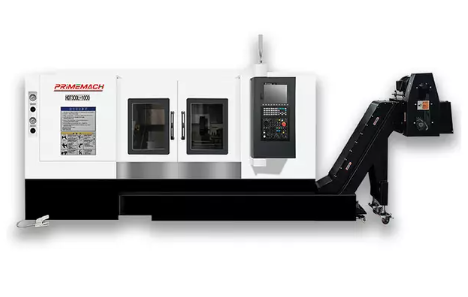
Owning a CNC lathe involves more than just the initial purchase price. Several hidden costs can add up over time, significantly impacting the total cost of ownership. These costs include installation, tooling, maintenance, and training. Let’s break down each of these factors and their potential impact on the overall expenses.
When purchasing a CNC lathe, the installation process itself can be a costly endeavor. The costs typically include freight, rigging, power upgrades, and foundations, all of which are essential to ensure the lathe is set up correctly. Depending on the complexity of the installation, these expenses can add 10-20% to the total price of the machine.
For instance, Primacon CNC lathes come with professional installation support that covers the entire setup process, including power requirements and any necessary adjustments to your facility to accommodate the new equipment.
The installation costs can include:
● Freight: The cost of transporting the CNC lathe to your facility.
● Rigging: The cost of lifting and positioning the machine in its final spot.
● Power Upgrades: Necessary modifications to the electrical system to support the machine.
● Foundations: Foundation work that may be needed to stabilize the machine, ensuring precise machining.
Once your CNC lathe is installed, you'll need to invest in tooling and workholding equipment. These are essential items such as cutters, inserts, and chucks, required to perform specific tasks like turning, facing, and threading. While they are not a one-time cost, these tools are considered ongoing consumables, and you’ll need to replace them periodically as they wear out.
For Primacon CNC lathes, tooling options are designed to be both cost-effective and durable, helping you reduce long-term operational costs while still achieving high precision. The choice of workholding fixtures is also crucial, as it ensures that parts are securely held during machining, which directly impacts part quality and machine efficiency.
Tooling expenses typically include:
● Cutters: Tools used for turning and shaping parts.
● Inserts: Replaceable cutting tips used for various cutting operations.
● Chucks: Used to hold parts securely during the machining process.
These expenses can quickly add up, especially for complex parts or high-volume production.
Another factor to consider is the software and programming required to operate the CNC lathe. CAM software (Computer-Aided Manufacturing) is essential for creating the tool paths used by the lathe to execute precision cuts. The cost of licenses, software updates, and programming training can significantly increase total ownership costs.
Additionally, training operators to use the software effectively is a critical part of CNC lathe ownership. It ensures that the machine is used efficiently, reducing waste and improving productivity. For example, Primacon CNC lathes come with intuitive control systems that reduce training time, but specialized software might still require operator education.
The costs related to software and programming include:
● CAM software licenses and updates.
● Programming training for your operators to ensure efficient use of the machine.
● The potential for additional software to enable specific features like multi-axis control or automation.
Owning a CNC lathe means committing to regular maintenance and occasional repairs. Routine maintenance helps extend the machine's lifespan and ensures that it continues to operate at peak efficiency. However, specialized repairs, especially for high-end machines, can incur substantial costs over time. This is particularly true for high-end CNC lathes with sophisticated control systems and more complex components.
For example, Primacon’s CNC lathes are designed to minimize maintenance needs but still require regular checks and part replacements to keep them running smoothly. Preventive maintenance programs are often available, offering regular servicing to avoid costly breakdowns.
The maintenance costs involved include:
● Routine checks: Regular inspections, oil changes, and calibration.
● Parts replacement: Replacing wear parts like bearings and seals.
● Repairs: Costs for fixing issues, particularly with high-end machines.
For high-end CNC lathes, operator training is an essential cost. These machines are often more complex, with advanced features such as multi-axis control, live tooling, and automated setups. Training your staff to operate these machines effectively is crucial for maximizing productivity and ensuring safety. The cost of training can vary depending on the complexity of the machine and the provider.
Primacon CNC lathes offer user-friendly controls, which help reduce training time, but specialized training is still needed for more advanced systems. Investing in operator training is key to maintaining the machine’s performance and avoiding costly mistakes during production.
Training costs include:
● Basic operator training: Necessary for all models to ensure safe operation.
● Advanced system training: Required for high-end models with more complex features.
Before purchasing a CNC lathe, it’s essential to understand the types of parts you plan to produce and the volume of production. This will determine the lathe size and features you require.
● Part Sizes & Tolerances: Identify the dimensions of your typical parts and the tolerances required. Larger parts need bigger lathes, while high-precision components may require higher-end models.
● Materials: Consider the types of materials you’ll be machining. Tougher materials like steel, titanium, and stainless steel demand more powerful machines and high spindle speeds.
● Monthly Production Needs: Estimate how many parts you need to produce monthly. Higher volumes typically require multi-axis lathes for efficient, complex operations.
Once you understand your part requirements, it’s time to establish your budget. The price of CNC lathes can vary greatly, depending on the complexity of the machine. Here’s what to consider:
● Entry-Level vs. High-End Machines: Entry-level machines are affordable but less powerful, while high-end machines offer advanced features like automation and multi-axis capabilities.
● Tooling, Installation, and Maintenance: Don’t forget to factor in the cost of tooling, installation, and ongoing maintenance. These costs can add up, especially with more advanced lathes.
Primacon CNC lathes offer a balance of affordability and performance, providing high-quality machines with lower total ownership costs compared to premium brands.
Budget Range | Machine Features | Best For |
Entry-Level ($1,000 - $20,000) | Basic manual controls, small parts | Hobbyists, education, light production |
Mid-Range ($20,000 - $80,000) | Higher precision, faster speeds | Small businesses, medium parts |
High-End ($80,000 - $500,000) | Full automation, multi-axis | Large-scale production, complex parts |
The features and configuration of a CNC lathe should align with your production goals. These are the key aspects to consider:
● Number of Axes: A 2-axis lathe is cheaper but limited in functionality. A multi-axis lathe offers more flexibility for complex parts but comes at a higher cost.
● Toolholders: Decide on the number of toolholders you’ll need. More toolholders increase the cost but reduce changeover time and improve efficiency.
● Spindle Bore Size: The spindle bore determines the size of the parts you can machine. Larger parts require a bigger bore, but this adds to the cost.
Ensure that the spindle power, coolant systems, and accuracy of the CNC lathe meet your production needs.
● Spindle Power: Higher motor power allows for deeper cuts and faster machining, especially for harder materials.
● Coolant Systems: Machines with high-pressure coolant systems can cut through tough materials more efficiently.
● Accuracy: High-precision machines can maintain tighter tolerances, which is critical for industries like aerospace and medical.
The cost of CNC lathes depends on factors such as machine type, features, and brand. Anhui Primacon Intelligent Equipment Co., Ltd. offers reliable CNC lathes that provide high precision at competitive prices, making them a great option for businesses of all sizes.
A: CNC metal lathes can range from $1,000 for basic models to over $500,000 for high-end industrial machines, depending on features and capabilities.
A: Key factors include the type of lathe (horizontal, vertical), number of axes, motor power, spindle speed, and brand.
A: Consider your production volume, part size, material, and required precision. Budget and machine capabilities should align with your needs.
A: Swiss-type lathes are designed for high-precision, small components, making them more expensive due to their specialized design.
A: Ongoing costs include maintenance, tooling, software, operator training, and potential repairs.


